
How to Create a Radio Demo Package

The Randy Lane Company • January 28, 2020

The new year has not been a happy one for many air talents and programmers. Many of you were let go AND you were doing a good job. I know how much that sucks because it happened to me with Viacom in the mid ’90’s. When that door closed, it enabled me to start this business.

If you’ve been “restructured,” here’s a checklist for putting together a demo and resume package that will get you noticed.

The Highlight Demo And The Follow Up Demo

  • An ideal  Highlight Demo  is approximately  three to four minutes  of your best content. Include humor, a personal story, an external story with commentary, your point of view, a popular benchmark, listener/guest interaction, and selling a station promotion/contest/event. 
     
  • Have a  Follow Up Demo  ready when your Highlight Demo gets the attention of an employer. Now they want to hear more of your show! Have a scoped killer hour and one of your best full shows prepared. Be sure to include endorsements. 
     
  • Make your content inclusive , in-context, and easy to follow for a first-time listener. Be sure  you  are distinguishable if you are a part of an ensemble cast. 
     
  • Start strong . Hit ‘em hard in the first ten seconds with an attention-getting moment of your best content that makes a strong impression — and keeps them listening.
     
  • Eliminate barriers to listening.  Everyone is busy, so make it easy to access your package with one click. Have it available in an mp3 format small enough to email if requested.
     
  • Prepare for the worst.  If you’re still employed and are concerned that more changes are coming, save and archive every show you do. We know talented people who haven’t saved much audio and don’t have access to it once they been let go. 
     
  •   DAR.FM  is a cost effective and easy way to begin archiving your show. It’s like DVR for radio.

The Resume and Package

  • Devise a concise resume/bio that highlights ratings, social media links with followers, community work, and articles written about you and your show. A bio section gives potential employers a glimpse into who you are as a person.
     
  • Underscore any additional skills you have that increases your value to a company such as production/imaging, programming/music, producing experience, social media and technical abilities.
     
  • Videos are an essential component of your personality brand. Include links to a few of your best videos and to your YouTube channel if you have one.
     
  • Entertainers of all genres today are hosting podcasts. If you podcast, include links to a sample and mention any success metrics you can brag about.
     
  • If you’re a good writer, include a link to one or two of your best blogs.
     
  • Gather three testimonials or references from key people in the industry.
     
  • Invest a few dollars in a professional head shot.

Here’s a link to more excellent tips on  writing an effective resume.

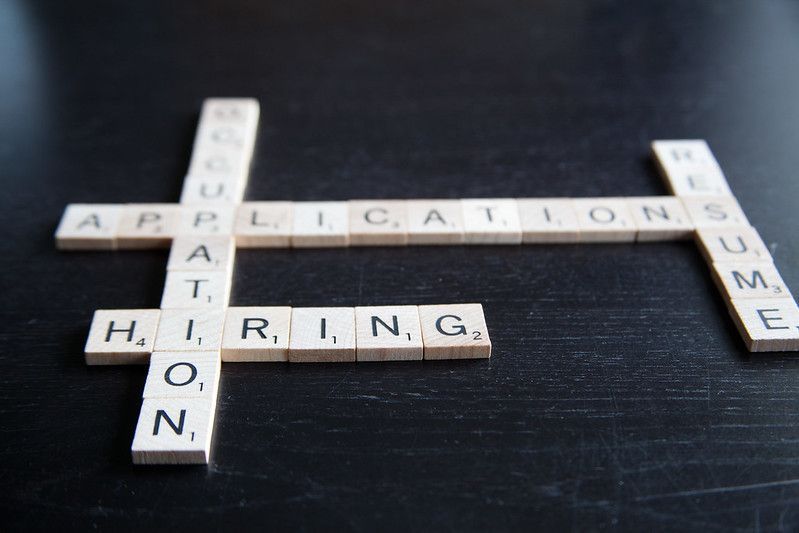
Photo Credit: Flickr.com www.flazingo.com/creativecommons

Share this article

Recent Posts

By Randy Lane • September 29, 2026
When I start coaching a show, talents often say:“Nobody calls anymore.” Or: “Listeners in this market don’t call radio shows.” My response is, “That’s interesting, because several of our shows get more calls than they need.” The difference isn’t necessarily the market. It’s often how the show invites people into the conversation.  Airing callers and text […]
By Randy Lane • September 21, 2026
Jerry Seinfeld wrote every episode of Seinfeld longhand, on a yellow legal pad, with a blue Bic pen. He still writes that way. He’s said the flashing cursor on a screen makes him anxious, like it’s asking, “So, whaddaya got?” Why Start With Pen and Paper?Writing by hand slows you down just enough for ideas to […]

By Randy Lane • September 15, 2026
In the era of loud, fast-talking announcer DJs, my radio mentor, Todd Wallace, asked my fellow DJs and me, “Would you talk to your neighbor over the back fence like a pukey DJ or just in natural conversation?” Of course we all said we’d talk to them conversationally. Todd concluded, “Talk to listeners on air like […]
Show More