

Responding to Natural Disasters: Tips for Music and News Radio

Randy Lane • October 16, 2024

In the wake of recent hurricanes like Helene and Milton, which left millions in Florida without power, it’s clear that natural disasters are on the rise.

With climate change fueling more frequent and intense weather events—hurricanes, wildfires, floods, and more—radio stations must find ways to stay relevant and supportive during these crises.

While music stations typically offer an escape from bad news, ignoring major disasters can make your station sound disconnected. Whether broadcasting from the affected area or elsewhere, here are strategies to maintain a balance between entertainment and timely updates.


Acknowledge the Crisis While Staying on Brand

  • Brief Updates : During morning drive, when Time Spent Listening (TSL) is short (around 10 minutes), provide a quick, one- or two-sentence update about major disasters. Listeners expect a mention of significant events, even on music stations.
  • Human Stories Matter : People connect more with personal stories than raw data. Highlight how individual people, families, businesses, and communities are affected.
  • Eyewitness Accounts : Gather firsthand stories from the affected region to provide listeners with real-world perspectives.


Offer Practical Tips

Even if your station isn’t in the path of a disaster, you can still help listeners be prepared:

  • Battery-Powered Radios : Encourage listeners to keep battery-powered radios for emergency information during power outages.
  • Survival Tips : Share useful advice, such as how long food lasts in a refrigerator during a power outage or what to do if phone service is down.


When Disaster Strikes Close to Home

If a disaster hits your area, your station becomes a critical source of information:

  • Partner with News Stations : Coordinate with local news or TV stations to provide up-to-date, accurate information.
  • Be Prepared : Build a network of experts (meteorologists, psychologists, officials) to provide timely insights ahead of time.
  • Local Leadership : Develop relationships with local officials to enhance your station’s credibility and provide reliable information to your audience.


Engage Your Community

Create a space—both on-air and online—for your listeners to share their stories and concerns during a disaster. Inviting local experts and offering a platform for listeners to engage builds a sense of community and helps your station serve as a vital resource.

Radio’s Vital Role

Natural disasters are becoming more frequent and severe. By providing timely updates, focusing on human stories, and connecting with your local community, your station can remain relevant while offering critical support during these events. Whether your audience is tuning in for entertainment or survival tips, radio has the power to be a lifeline when it matters most.

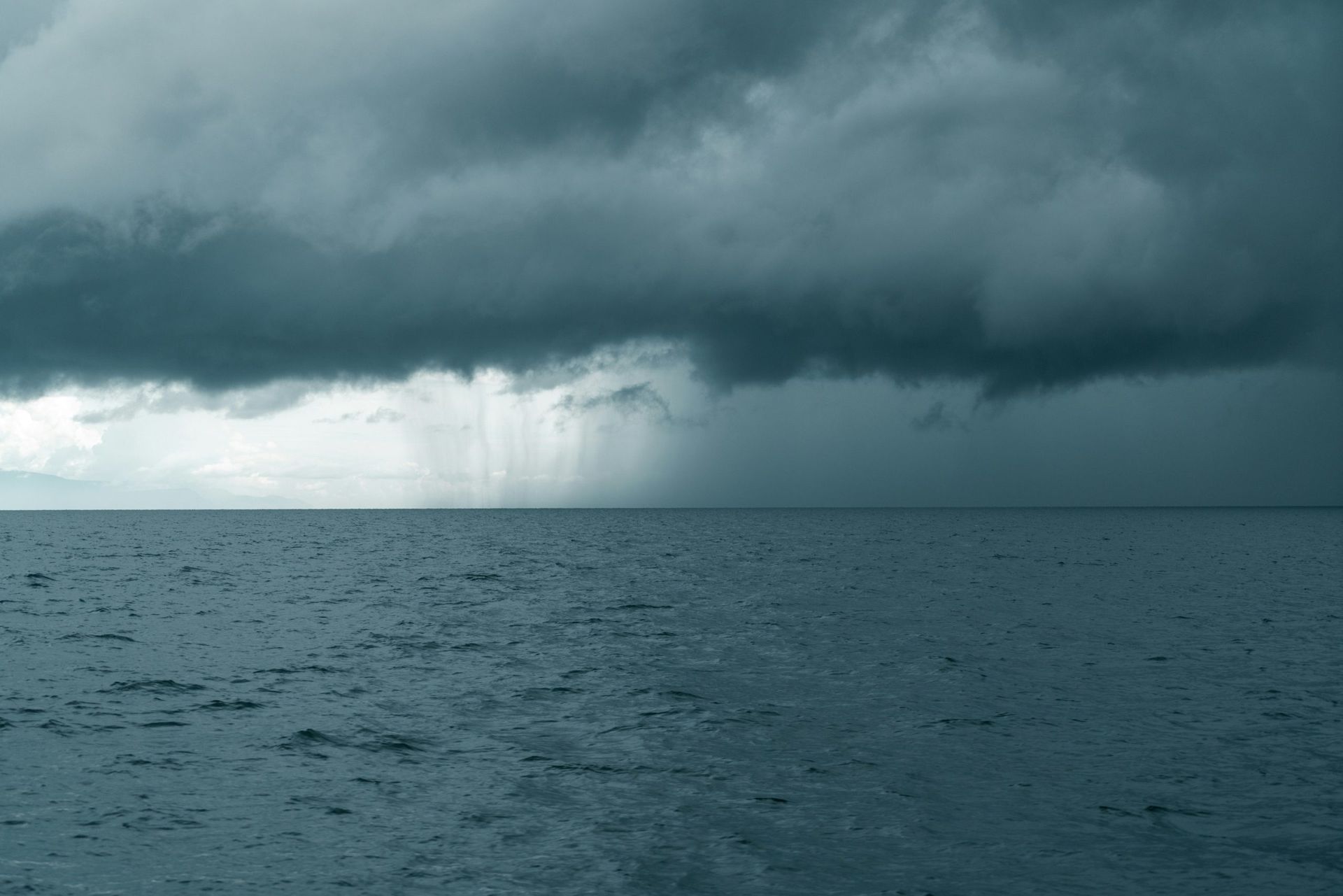
Photo by  Timur Garifov  on  Unsplash

Share this article

Recent Posts

By Randy Lane • September 29, 2026
When I start coaching a show, talents often say:“Nobody calls anymore.” Or: “Listeners in this market don’t call radio shows.” My response is, “That’s interesting, because several of our shows get more calls than they need.” The difference isn’t necessarily the market. It’s often how the show invites people into the conversation.  Airing callers and text […]

By Randy Lane • September 21, 2026
Jerry Seinfeld wrote every episode of Seinfeld longhand, on a yellow legal pad, with a blue Bic pen. He still writes that way. He’s said the flashing cursor on a screen makes him anxious, like it’s asking, “So, whaddaya got?” Why Start With Pen and Paper?Writing by hand slows you down just enough for ideas to […]

By Randy Lane • September 15, 2026
In the era of loud, fast-talking announcer DJs, my radio mentor, Todd Wallace, asked my fellow DJs and me, “Would you talk to your neighbor over the back fence like a pukey DJ or just in natural conversation?” Of course we all said we’d talk to them conversationally. Todd concluded, “Talk to listeners on air like […]
Show More