

Covering Disaster Stories

Randy Lane • November 11, 2018

When I was a boy and I would see scary things in the news, my mother would say to me, “Look for the helpers. You will always find people who are helping.”  – Fred Rogers

This was a tough week for our Southern California community.

On Tuesday, while students from Pepperdine University, Cal Arts, and other local schools were enjoying college night at a favorite country music venue in Thousand Oaks, a young man opened fire and killed twelve innocent people.

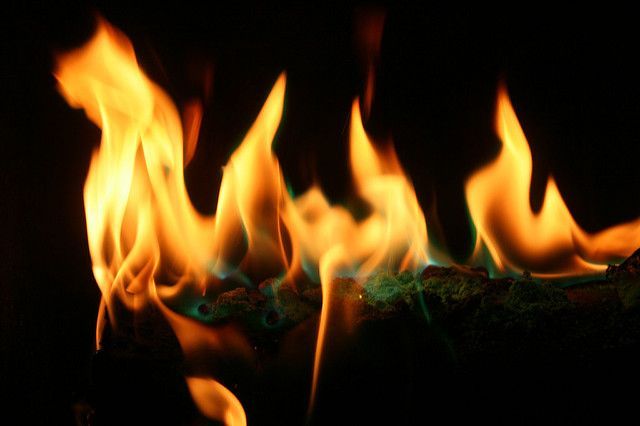
Two days later, we evacuated our home in the middle of the night, slept in the car, and waited anxiously to hear how the Woolsey Fire in Southern California had left our neighborhood.

Other recent national events include pipe bombs sent to well-known politicians and celebrities, a mass shooting in a Pittsburg synagogue, the mass shootings and fires in California, and one of the biggest midterm election voter turnouts since 1966.

How does your show cover events that receive national coverage, but are not local news? If you want to be an authentic personality and show, you cannot ignore stories that your audience is talking about and thinking about.

Points to consider:

  1. You don’t have to take a stand on hate crimes or political stories. You can report the story without commentary. Acknowledging the situation can be enough.
  2. Social media connects friends and family all over the world. No matter the location of the big story, people in your community are affected.
  3. Has someone on your show had to suddenly vacate their home? What did they take? Sharing what they took reveals character. Ask people to share their story. (We grabbed our handwritten wedding vows.)
  4. Mr. Rogers is right. There are countless brave people who help neighbors, open their homes to friends, volunteer at shelters, and donate needed items. They have stories to tell.One of the many neighbors who gathered to monitor the fire crawling down the wooded hill toward our neighborhood joked, “This is a hell of a way to have a block party!” We met many people in our neighborhood for the first time, and they all had concerns and stories to share.
  5. Ask people to share their inner dialogue. When giant flames, propelled by fifty mile an hour winds, were heading in our direction, thick smoke surrounded us, sirens were wailing, and emergency vehicles filled the roadways and skies, we were thinking, “This is like a war zone!” It feels like armageddon.”

You might be thinking, “If it didn’t happen here, why should we care?”  Whether it’s an earthquake, flood, hurricane, tornado, or fire, look for the real-life stories. Look for the helpers. That’s where you will find the national and local connection.

Photo Credit: flickr.com/photos/jasonohalloran/

Share this article

Recent Posts

By Randy Lane • September 29, 2026
When I start coaching a show, talents often say:“Nobody calls anymore.” Or: “Listeners in this market don’t call radio shows.” My response is, “That’s interesting, because several of our shows get more calls than they need.” The difference isn’t necessarily the market. It’s often how the show invites people into the conversation.  Airing callers and text […]

By Randy Lane • September 21, 2026
Jerry Seinfeld wrote every episode of Seinfeld longhand, on a yellow legal pad, with a blue Bic pen. He still writes that way. He’s said the flashing cursor on a screen makes him anxious, like it’s asking, “So, whaddaya got?” Why Start With Pen and Paper?Writing by hand slows you down just enough for ideas to […]

By Randy Lane • September 15, 2026
In the era of loud, fast-talking announcer DJs, my radio mentor, Todd Wallace, asked my fellow DJs and me, “Would you talk to your neighbor over the back fence like a pukey DJ or just in natural conversation?” Of course we all said we’d talk to them conversationally. Todd concluded, “Talk to listeners on air like […]
Show More