
Free Speech and Cancel Culture

Jeff McHugh • February 16, 2021

Reprinted with permission from  MediaGigNow.com  – with the right job right now for broadcast professionals.

Occasionally, broadcasters and podcasters tell me they are anxious about  cancel culture.

Some worry they might get fired for stumbling into a politically incorrect landmine. Others complain, “people are just looking to be offended,” or “you can’t say anything anymore.”

My advice? Stop worrying. Eliminate  cancel culture  from your vocabulary and replace it with  changing culture.

Changing culture  implies that when people change content changes. Audiences today are quicker than ever to adopt new ideas about heavy stuff like race, gender, orientation, truth, equality, and justice.

Cancel culture  implies that your audience – including advertisers and the company that provides your platform — are  wrong  when they object to offensive speech or outdated content. The audience is your customer, and the customer is always right.

We encourage on-air players to develop their character with the guideline, “if you think it, say it.” Successful shows are entertaining, unfiltered, not always nice, and often flawed. In other words,  real.  Most get a few complaints; some lose the occasional sponsor, and an apology is needed occasionally. It has  always  been that way.

If you are losing sleep over  cancel culture , consider that I have coached hundreds of presenters over decades and exactly   one  has been canceled – deservedly — for something they said.

Here is an example of changing culture: When I was a boy in the 1960s, comedians on television joked  constantly  about women drivers. The joke was automobiles were too confusing for dizzy females, they were always denting the family car and so forth.

The joke was of course a false premise. At some point, audiences stopped laughing. Smart comedians  noticed changing culture and changed content.  Thus, no more lady driver jokes.

But some broadcasters persist with false premises, refuse to change with the audience, and get canceled.

I am confident that each  knew as they spoke  that they were provoking a negative response. It is no secret that these ideas are offensive. Many people like me have been sharing this information with people like you in articles like  Seven Deadly Sins That Will Get You Fired .

Yet some people continued to blame  cancel culture  as they plummet onto smaller platforms with smaller audiences and smaller paychecks. Some vanish into oblivion.

Call me crazy, but isn’t the idea behind  broadcasting  to connect with the broadest audience possible? The larger your audience, the more culture change that you must be aware of to stay in harmony with people as they evolve. Luckily, all you must do is make the effort – and care.

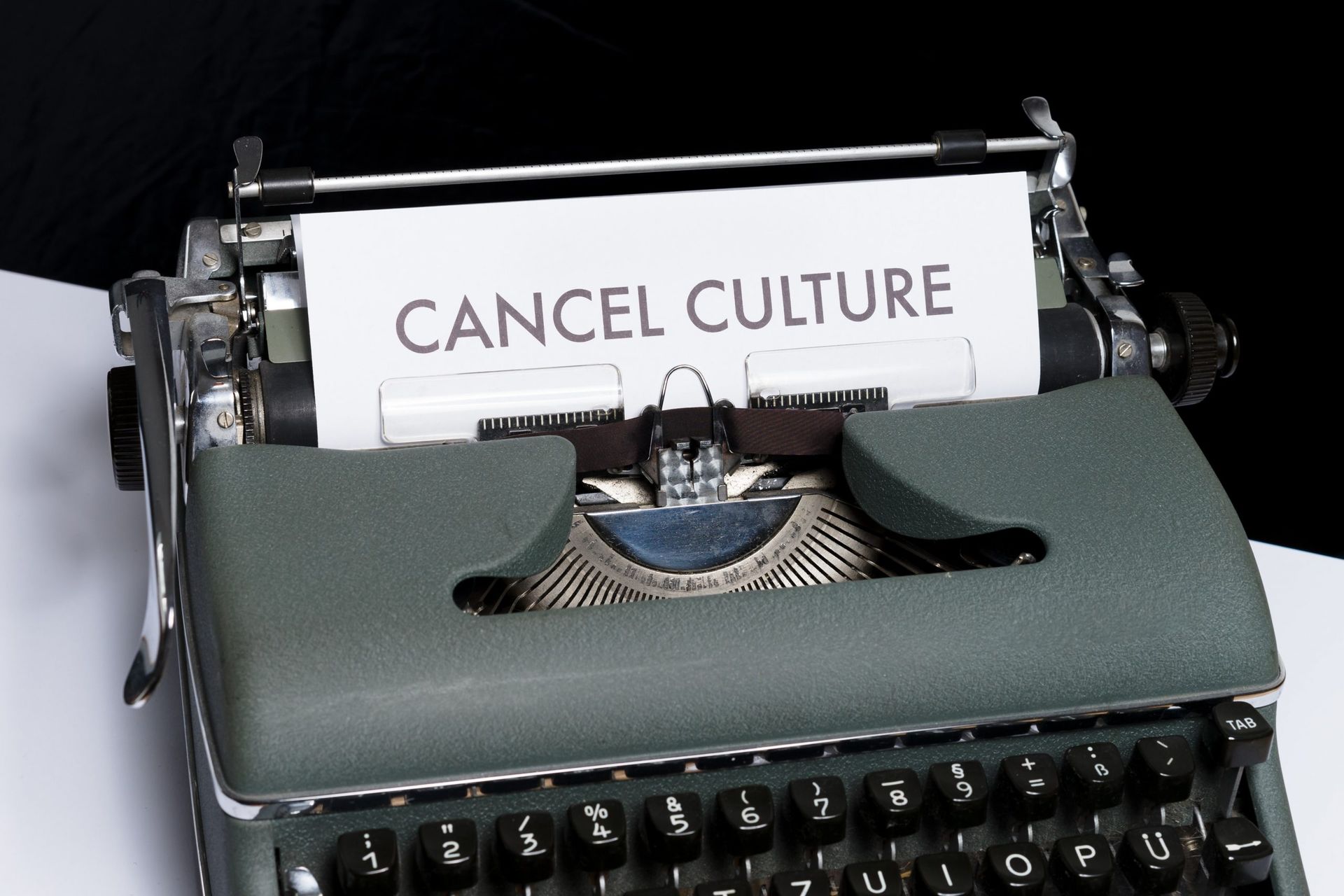
Photo by Markus Winkler on Unsplash

Share this article

Recent Posts

By Randy Lane • September 29, 2026
When I start coaching a show, talents often say:“Nobody calls anymore.” Or: “Listeners in this market don’t call radio shows.” My response is, “That’s interesting, because several of our shows get more calls than they need.” The difference isn’t necessarily the market. It’s often how the show invites people into the conversation.  Airing callers and text […]

By Randy Lane • September 21, 2026
Jerry Seinfeld wrote every episode of Seinfeld longhand, on a yellow legal pad, with a blue Bic pen. He still writes that way. He’s said the flashing cursor on a screen makes him anxious, like it’s asking, “So, whaddaya got?” Why Start With Pen and Paper?Writing by hand slows you down just enough for ideas to […]
By Randy Lane • September 15, 2026
In the era of loud, fast-talking announcer DJs, my radio mentor, Todd Wallace, asked my fellow DJs and me, “Would you talk to your neighbor over the back fence like a pukey DJ or just in natural conversation?” Of course we all said we’d talk to them conversationally. Todd concluded, “Talk to listeners on air like […]
Show More